
Small Fleet Dispatching Services That Pull Their Weight
A two-truck or five-truck operation can lose a surprising amount of money before the wheels ever turn. One driver spends an evening sorting weak loads. Another takes a cheap reload just to get moving. A truck deadheads 180 miles because nobody lined up the next lane. Small fleet dispatching services are meant to stop that kind of leakage by putting focused load planning, negotiation, and carrier support behind every truck.
For a small carrier, dispatch is not simply somebody clicking through load boards. It is the work of protecting productive miles, keeping drivers pointed toward acceptable freight, and making decisions that fit the business instead of filling a calendar. The right dispatch partner knows a truck needs revenue, but also understands that gross revenue alone does not tell the whole story.
What Small Fleet Dispatching Services Should Actually Do
A good dispatcher starts by learning how your operation runs. That means equipment type, home base, preferred lanes, rate expectations, driver availability, appointment limits, and how much deadhead you are willing to accept. A reefer running the Southeast has different opportunities and headaches than a flatbed working the Midwest or a power-only carrier chasing drop-and-hook freight nationwide.
From there, the dispatcher searches available freight, checks the full lane, calls on loads, negotiates where there is room to negotiate, and presents options that make sense for the truck. Once a load is chosen, dispatch support should include confirmation details, pickup and delivery coordination, route planning, broker communication, and help resolving ordinary problems that show up after the truck is committed.
The job continues beyond the current load. A dispatcher worth keeping is already thinking about the reload, the next market, and whether taking a particular load leaves the truck in a poor spot. That is how dispatch becomes operational support rather than a transaction fee.
The Real Cost of Dispatching Your Own Trucks
Many owner-operators handle their own dispatch at first, and there is nothing wrong with that. You know your equipment, you know what a bad lane feels like, and nobody will care more about your authority than you do. But as a fleet grows, load searching and check calls compete with maintenance, payroll, customer service, compliance, recruiting, and the thousand small decisions that keep trucks legal and moving.
The cost is not only the time spent on DAT, Truckstop, 123 Loadboard, or other boards. It is the missed opportunity when a better load comes and goes while you are driving, in a shop, handling paperwork, or asleep. It is also the pressure to accept mediocre freight because the truck needs something now.
A dispatcher cannot create strong rates where the market does not support them. Nobody can honestly promise that. What experienced support can do is compare options faster, recognize bad positioning before it becomes expensive, and keep the truck available for freight that matches its equipment and operating plan.
Revenue Is Not the Same as a Good Load
A load with a big gross number can still be a poor move. Maybe the pickup is 90 miles away, the appointment is tight, the delivery leaves the truck in a weak freight area, and the reload will be cheap. By the time fuel, unpaid miles, driver time, and the next reposition are counted, that attractive number may not look so attractive.
Small fleets need dispatch decisions based on the whole trip. Rate per loaded mile matters, but so do rate per all-mile, time on the load, fuel cost, tolls, layover risk, and what happens after delivery. The best choice depends on your truck, your driver, and where you want to be three days from now.
Building Lanes Instead of Chasing Random Loads
The strongest small carriers usually do not run every load in every direction. They learn their equipment, their drivers, and the markets where they can compete. A dry van may perform well on repeat Midwest-to-Southeast freight. A step deck may need a broader search area but still benefit from planned regional loops. A box truck may need shorter, tighter dispatch coverage built around local and expedited opportunities.
That does not mean refusing every load outside a favorite lane. Freight shifts. Seasonal demand shifts. A good backhaul may open a profitable new market. The point is to make those moves on purpose, not because the truck got stranded after a one-way run.
An experienced dispatcher tracks patterns over time. Which brokers pay and communicate well? Which lanes routinely create long waits? Where do your reloads dry up? Which days are strongest for your equipment? Those details are where a small fleet gains ground. They are also why generic, one-size-fits-all dispatch rarely works for long.
What to Expect From a Carrier-First Dispatch Partner
Small fleets should expect straight answers. If the market is soft, the dispatcher should say so. If a load is weak but still the best available option for your stated goal, that conversation needs to happen before acceptance. If your preferred lane is not producing enough revenue to support the truck, you need useful alternatives, not empty reassurance.
Transparency matters just as much with fees. Know how the service is priced, what is included, when charges apply, and whether you retain final approval on every load. Your carrier authority, insurance, safety record, and customer relationships are too important to hand over without clear boundaries.
Communication should be direct. Drivers and fleet owners need a dispatcher who answers the phone, relays complete information, and stays involved when a shipper changes an appointment or a broker has a problem. The goal is not constant noise. It is dependable support when a decision has to be made.
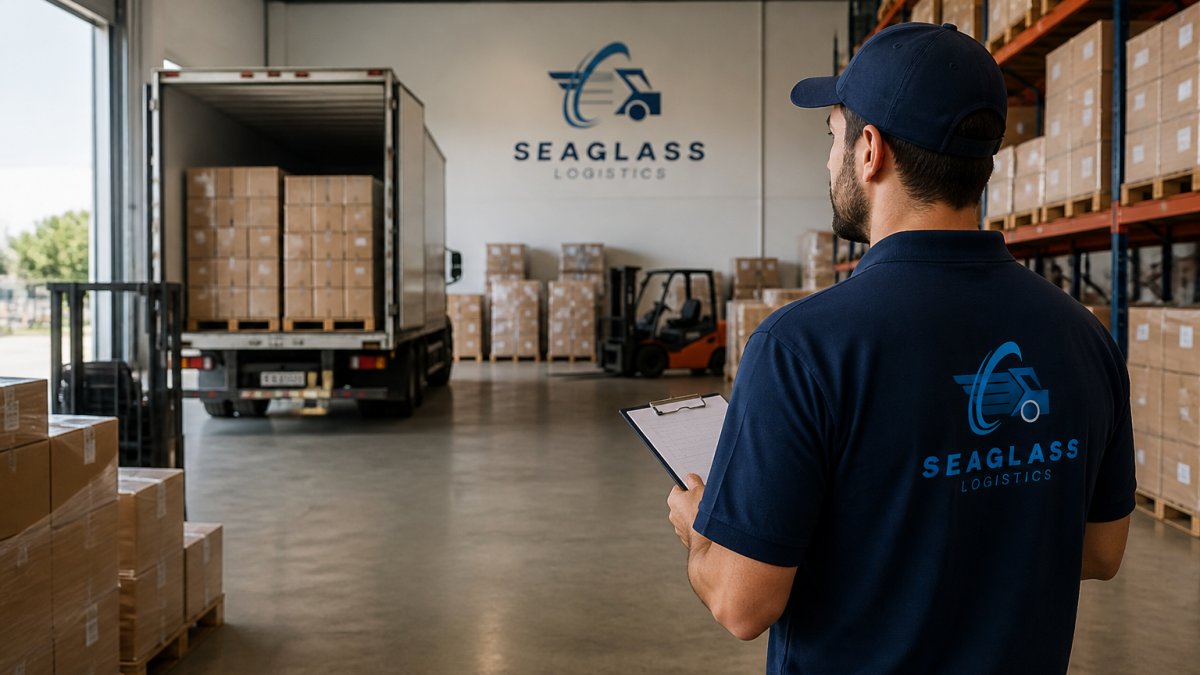
At Seaglass Logistics, that carrier-first approach comes from firsthand experience with OTR driving, operations, safety, warehousing, routing, and compliance. The practical question is always the same: does this move help the truck earn, or does it only keep it busy?
Questions to Settle Before You Hire Dispatch Help
Before bringing on a dispatch service, have a clear conversation about your operation. Tell them what equipment you run, where you are based, which states or lanes you avoid, and whether your drivers have limits around overnight runs, home time, tarping, multi-stop work, or appointments. Those details are not side notes. They determine which loads fit.
Ask how loads are sourced and how choices are presented. A dispatcher with access to major boards can find opportunities, but access alone is not expertise. You want someone who can explain why a load works, what the all-mile picture looks like, and what the likely next move may be.
Also ask how they handle paperwork, detention, layover requests, TONU issues, and broker follow-up. Every dispatcher will encounter disruptions. The difference is whether they disappear when the load gets difficult or work the problem through with the carrier.
Finally, protect your independence. A dispatch service should support your authority, not operate it for you. You should know the freight terms, approve the loads you accept, and maintain control over the equipment and business decisions. Clear roles keep the relationship useful and keep misunderstandings off the road.
When Dispatch Support Makes the Most Sense
Dispatching support is often a good fit when a fleet has more work than the owner can manage well, when drivers need more consistent planning, or when deadhead and weak reloads are eating into margins. It can also make sense for a new authority that needs help finding its footing without committing to a full in-house operations team.
It may not be the right move for every carrier. If you run dedicated freight, have a strong direct customer base, or genuinely enjoy managing every load yourself, outside dispatch may add little value. But if your trucks are spending too much time waiting for the next decision, the right partner can give you back hours while bringing more discipline to each lane.
Your trucks do not need another person telling you to run harder. They need a plan that respects the driver, the equipment, and the miles it takes to make a living. Start with the lanes you want, the revenue you need, and the problems costing you money. A good dispatch relationship should make those answers clearer with every load.


Comments